About the museum
History & architecture
More than 125 years of promoting design in Denmark
Located in the heart of historic Copenhagen, Designmuseum Denmark serves as a vibrant working archive and a gateway to Denmark as a design destination. Today, the museum is one of Scandinavia’s leading exhibition venues for Danish and international industrial design, applied arts, and craft.
The museum’s collections, library, and archives form a central knowledge hub for design historical research in Denmark. The museum collects and documents contemporary developments in industrial design, furniture design, and craft, while also acquiring exemplary works from earlier periods that relate closely to present-day production. Research conducted on the basis of the collections is shared through exhibitions, publications, and educational activities.
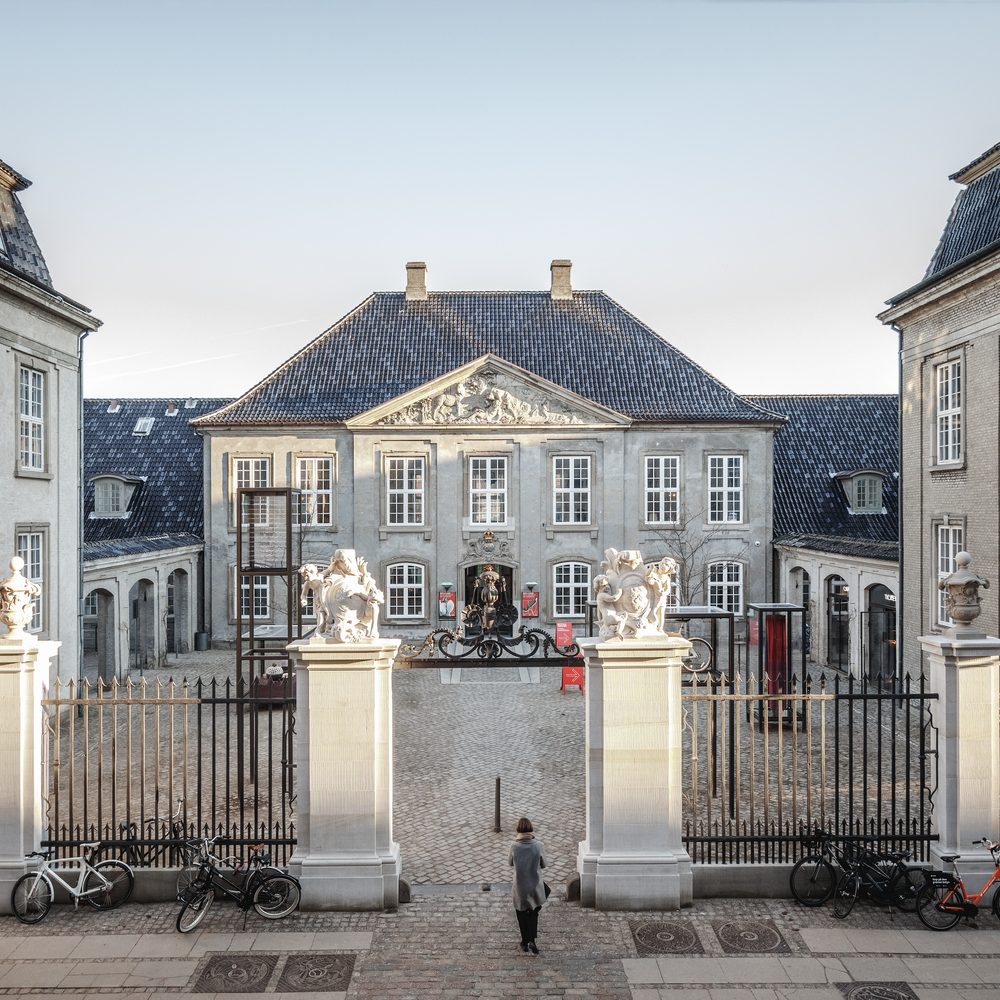
Founded in 1890: Imaginative Inspiration
Designmuseum Danmark was founded in 1890 by the Confederation of Danish Industries in Copenhagen and the Ny Carlsberg Museumslegat. It opened to the public in 1895 in a newly-built museum building on what is now H.C. Andersens Boulevard and moved in 1926 to its current location, a former hospital. The museum’s main goal from the beginning was to communicate the idea of quality within design. By exhibiting exemplary objects and collections, it seeks to raise the level of Danish industrial products and act as a source of inspiration for people working in industry. It also aims at making contemporary consumers more critical and quality-oriented.
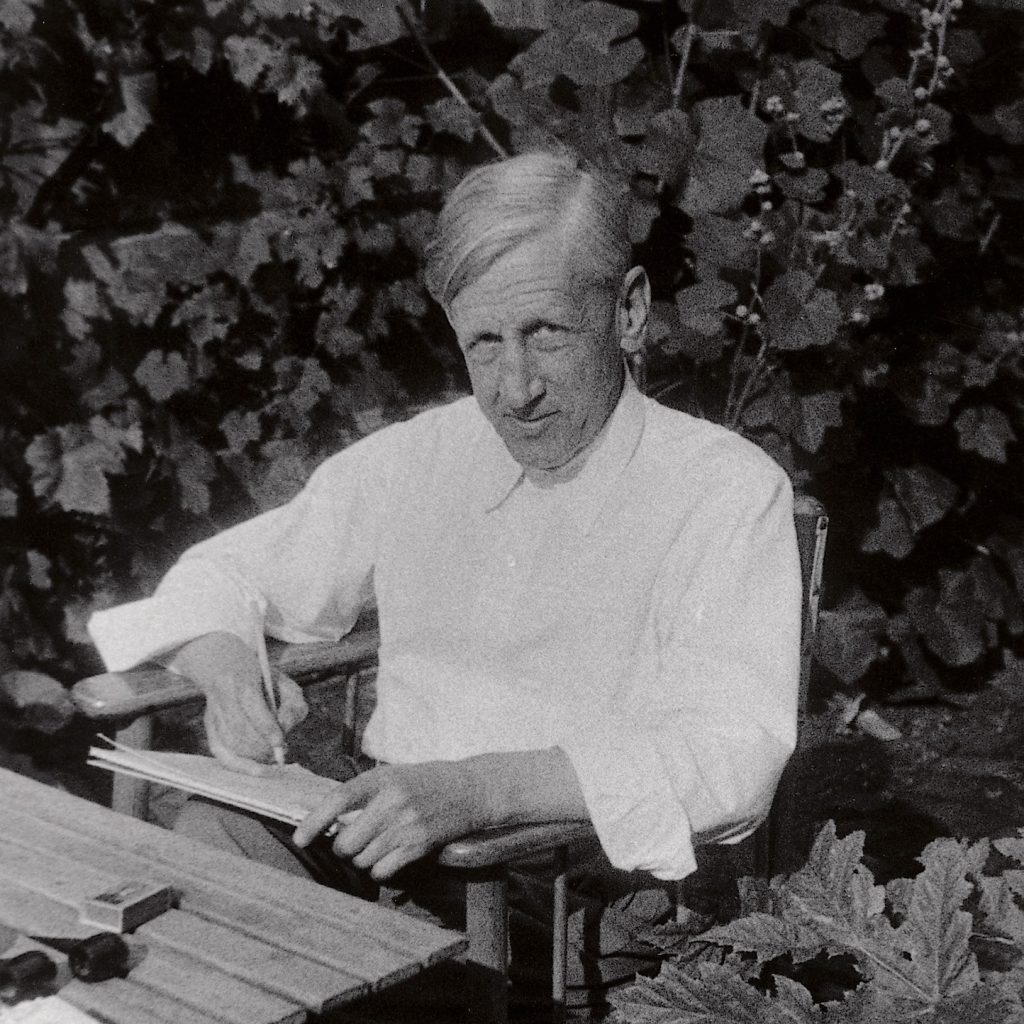
Copenhagen's finest Rococo building and Kaare Klint
Since 1926, Designmuseum Danmark has been housed in one of Copenhagen’s finest rococo buildings, the former Royal Frederik’s Hospital. The building was constructed during the reign of King Frederik V in the years 1752-57 based on drawings by the architects Nicolai Eigtved and Lauritz de Thurah. In the 1920s, the buildings were renovated and adapted to museum use by the architects Ivar Bentsen and Kaare Klint.
Kaare Klint (1888-1954) furnished the entire museum and designed its entire inventory in the late 1920s. Known as the grand old man of Danish furniture design, he has a decisive influence on Danish design. Kaare Klint lived and worked at the museum and also served as a teacher for several of the best-known Danish architects and designers of the 20th century. As a lecturer at the School of Furniture Design and Interior Decoration at the Royal Academy of Fine Arts, Kaare Klint was known for his extensive analytic examination of spatiality. Today, the museum’s buildings are known as the finest example of Kaare Klint’s work with function and tradition.
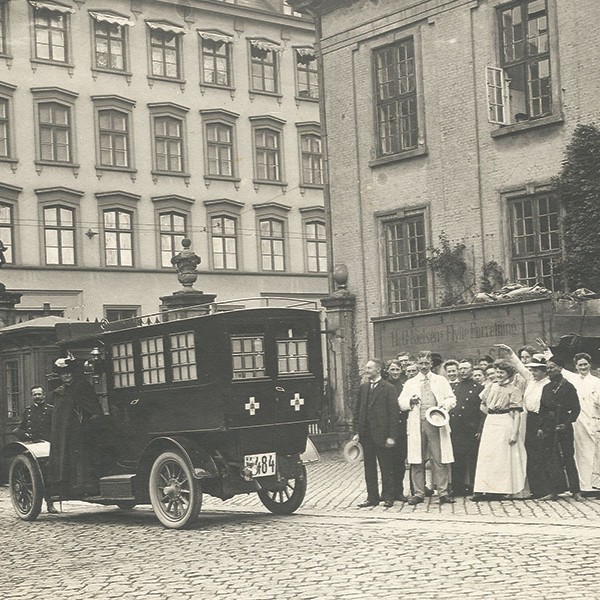
The Royal Frederik's Hospital: Care for all
1757: The Royal Frederik’s Hospital, Denmark’s first public hospital, was constructed during the reign of King Frederik V. The hospital was located in the Copenhagen neighborhood of Frederiksstaden with the goal of offering penniless patients free care. The hospital was designed by two architects, Nicolai Eigtved and Laurids de Thurah, and was built between 1752 and 1757. It was officially opened on the King’s birthday, 31 March.
The architects designed the sickrooms as long galleries. The interiors were determined by the dimensions of a sickbed and based on what was, at the time, a modern, systematic, and functional hospital set-up. It created unobstructed access to each bed, windows to provide natural light, and good care. And with the Grønnegården garden in the middle of the hospital, there was plenty of access to sunshine and fresh air. Two large ports opened the hospital towards the streets of Amaliegade and Bredgade. One of the central operating rooms is now the museum’s Assembly Hall, with optimal natural light.
Prominent patients: The hospital is mentioned in Hans Christian Andersen’s fairy tales, and among its many patients was the philosopher Søren Kierkegaard, who was treated in 1855.
The Royal Frederik’s Hospital closed in 1910, when the Rigshospitalet opened.
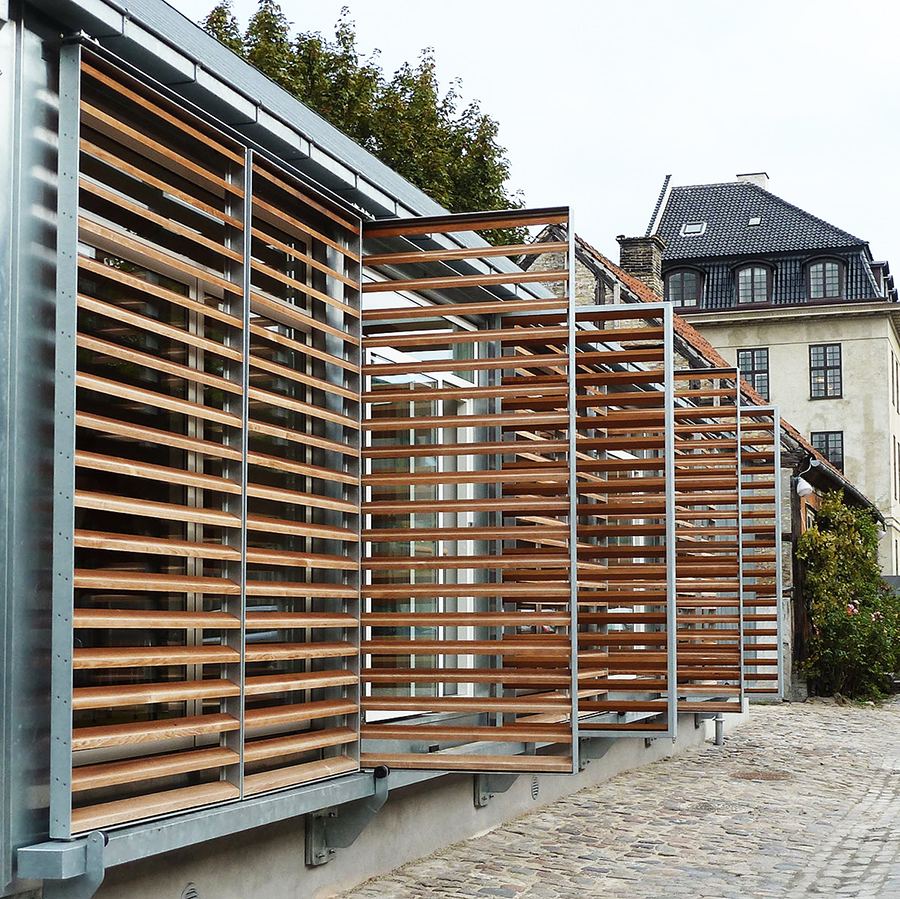
Design workshop: Education at every level
In 2012, a modern design lab for workshops and learning activities was built next to the museum. Today, it is the platform for all our creative, educational and learning activities, with a wide variety of materials and tools. Here people of all ages engage in hands-on design processes as they find inspiration in a small study collection of chairs, glass, bowls, ceramics and sustainable and industrial products. Everything can be investigated hands-on. The design lab is kindly donated by VILLUM FONDEN.
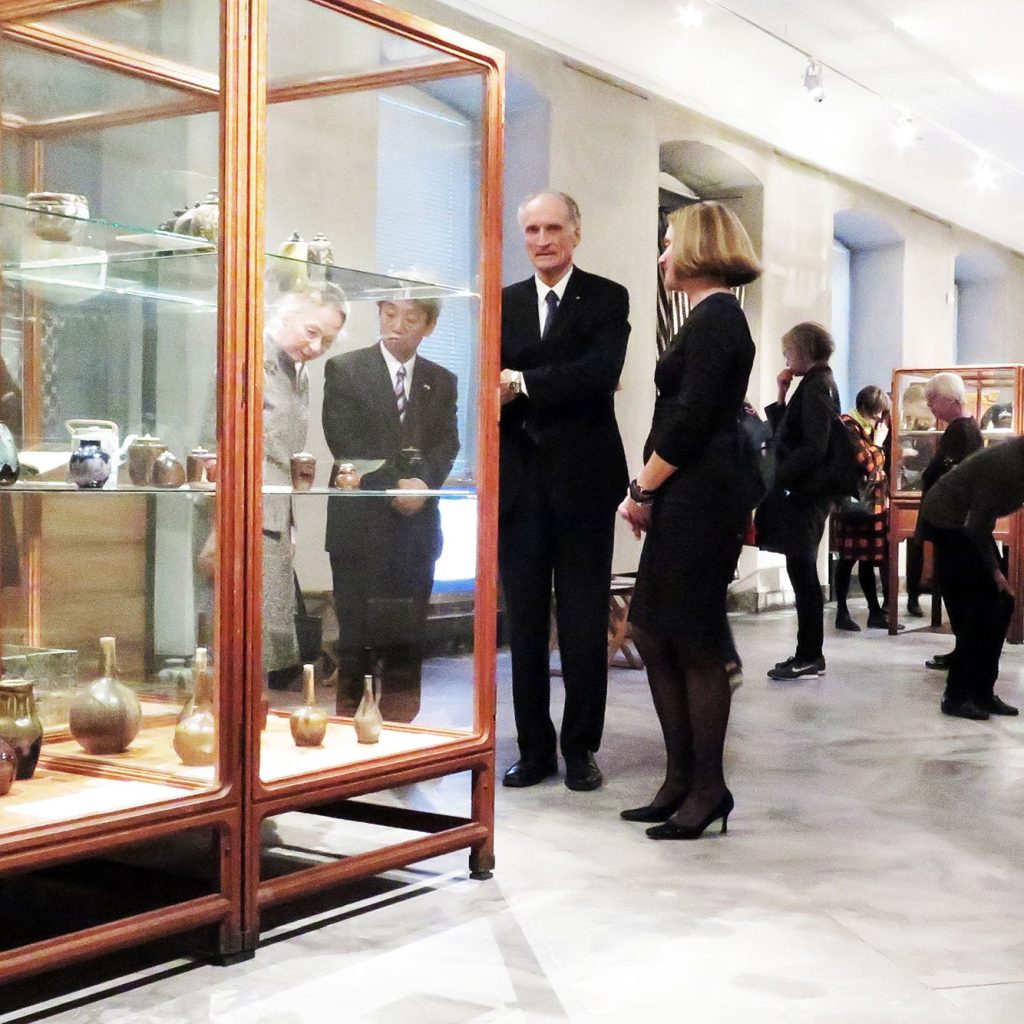
125 years
In 2015, the museum celebrated its 125th anniversary. This was marked with the exhibition “Learning from Japan.” With its focus on the Japanese influence on Danish design and crafts since the end of the 19th Century, the exhibition celebrates not only the history of the museum and its collections it also sheds light on a very important chapter in Danish design history.
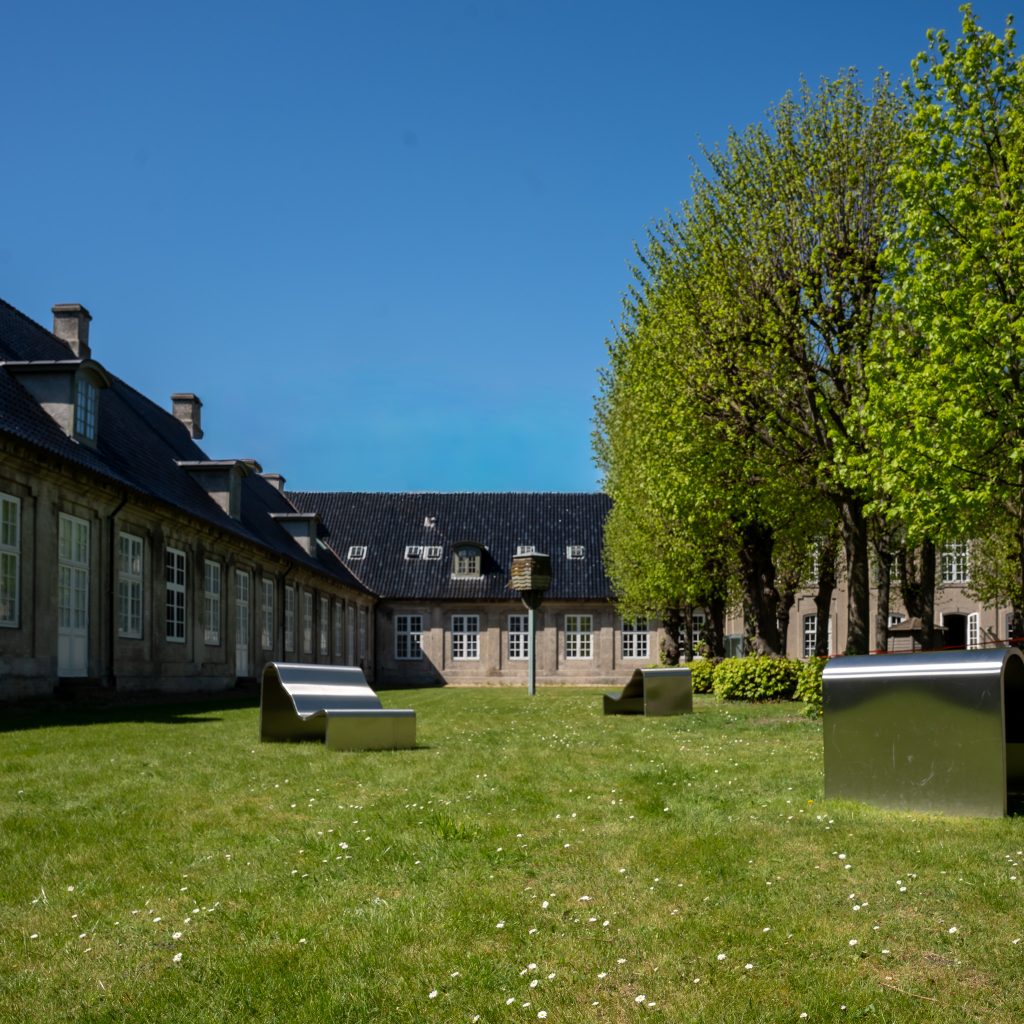
The Museum Garden
In the middle of the museum lies the open museum garden. The garden is used as an exhibition space, and during the summer months, it offers outdoor seating and informal gathering spaces for visitors.
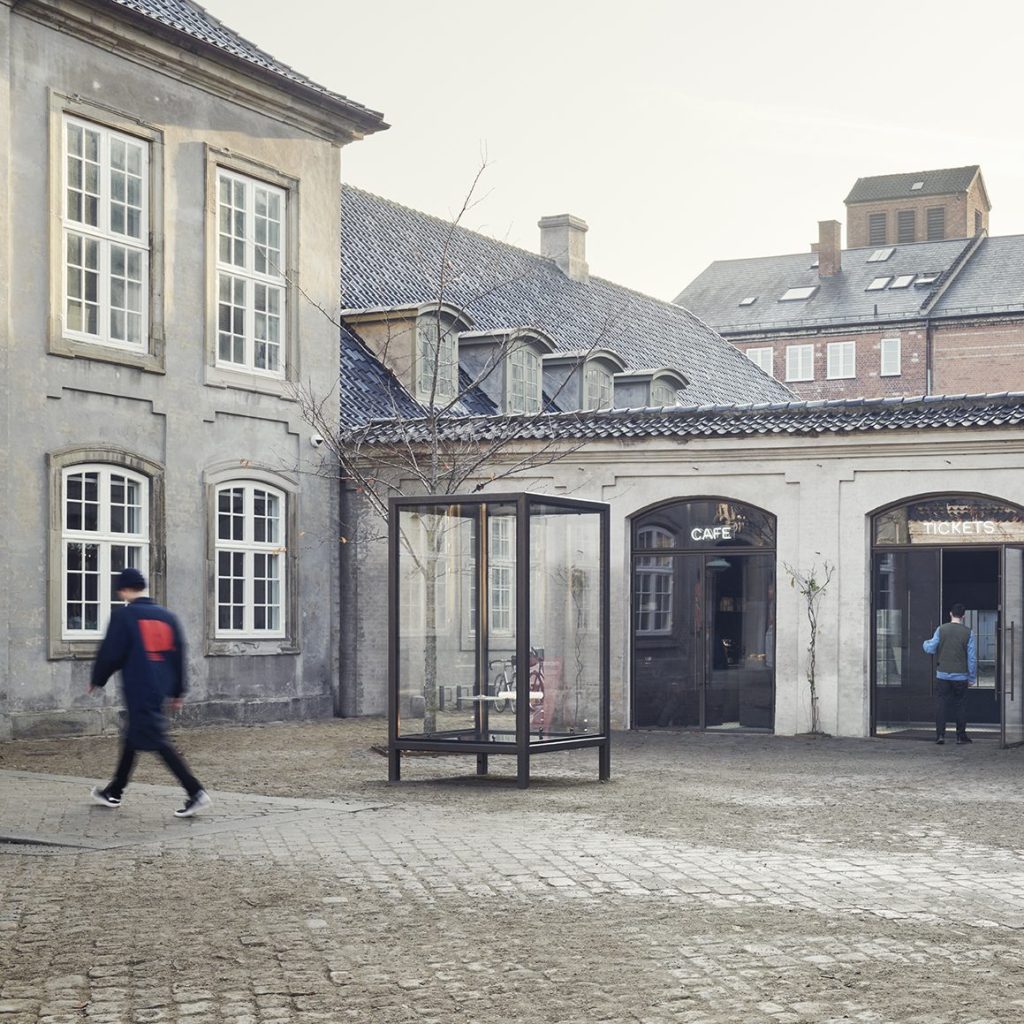
Opening the museum forecourt
In 2018, the museum inaugurated a completely new point of arrival, the newly restored museum forecourt facing Bredgade. The project was made possible through a generous donation from the Annie & Otto Johs. Detlefs’ Foundations (OJD).
With this new entrance in front of the museum’s elegant 18th-century building, a meeting place and a showcase for Danish design have been created. Designed by COBE, the project improved accessibility to the museum, while the forecourt’s sculptural gateway and protected paving were restored and preserved. Featuring a new outdoor exhibition platform, as well as a new ticket area and coffee bar, the forecourt creates greater openness between the museum and its surroundings and offers a glimpse into the museum’s rich collections.
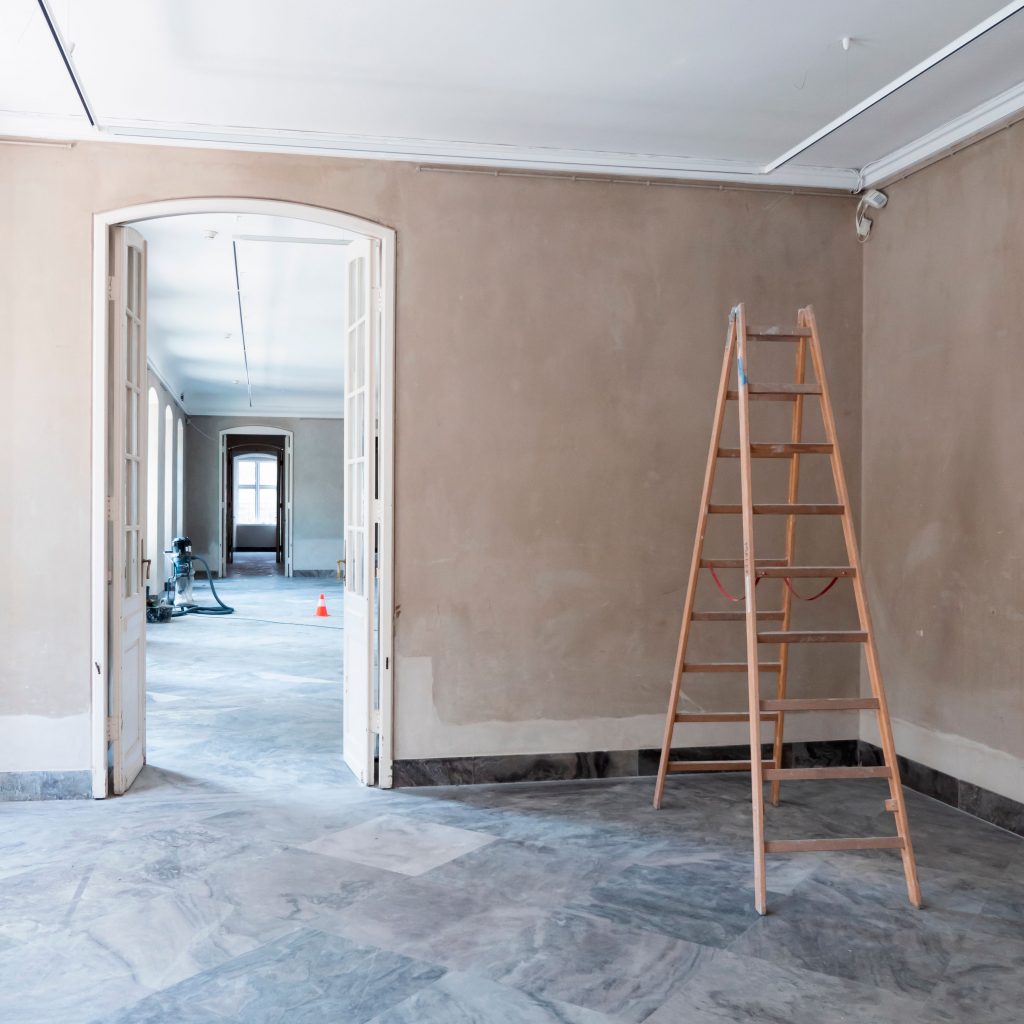
RENOVATING DESIGNMUSEUM DENMARK IN 2020-2022
The museum has undergone a comprehensive renovation of the interior of the historic buildings and of sandstone decorations, ‘Amaliegadepladsen’ and all exhibition, and guest areas.
The museum chose to close down in 2020 and start the major renovation and redevelopment that has secured the museum’s unique historic building framework for the future. In a comprehensive reorganization of all exhibition and audience areas and rethinking of the guest experience, we embarked on a major restoration project that has saved the underground under our historic museum building.
The new design museum reopened to the public for a grand opening day on 19 June 2022.
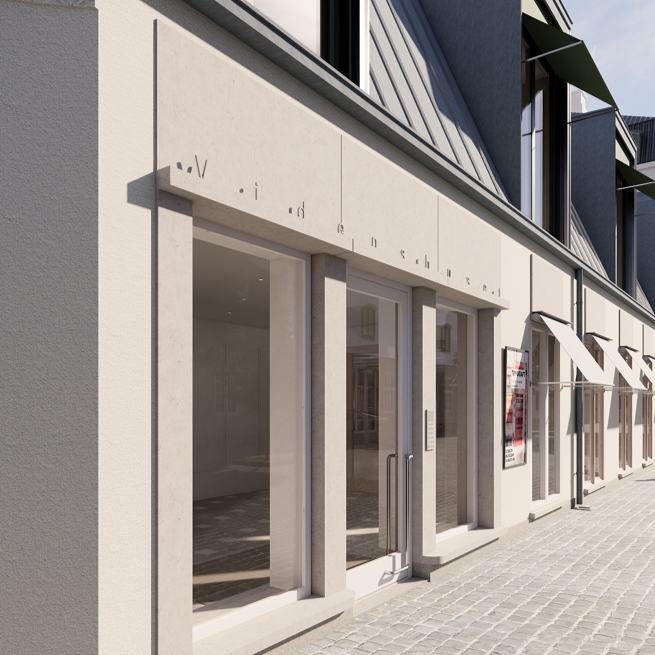
DESIGNMUSEUM DANMARK WELCOMES NEW KNOWLEDGE CENTRE
At the beginning of 2026, Designmuseum Denmark broke ground on a new Knowledge Centre, which will bring together the museum’s library, reading room, and design workshop under one roof. The vision for a dedicated knowledge centre at the museum dates back 100 years and is now being realised thanks to generous support from the VILLUM Foundation, the Augustinus Foundation, and the C.L. David Foundation and Collection.
The Knowledge Centre is expected to open in spring 2027.
Read more about the Knowledge Centre here