WHAT’S ON
CULTURE NIGHT
Friday 9 October, 18.00
For Copenhagen’s Culture Night, Designmuseum Danmark opens its doors to design after dark.
As night falls over Copenhagen, Designmuseum Danmark stays open late, and there is plenty of reason to make your way here.
Alongside the permanent exhibitions, you can explore a major new exhibition by designer and fashion creator Henrik Vibskov. His colourful, experimental and highly energetic universe takes over a large part of the museum.
And the exhibition is not simply something to look at. It comes alive. Meet the Monster Shredder, which transforms old textiles into new products right before your eyes. Enjoy appearances by some of Vibskov’s musical friends, and see the museum forecourt transformed into an enchanting world of light, where Vibskov’s characters and themes take on a whole new life.
If hunger or thirst strikes along the way, the museum café offers plenty of opportunities to eat and drink your way through the evening.
PROGRAM
WORKSHOP: EGGS AND FROGS
Take part in the interactive Egg Work, where we shape, cut and glue together a piece that will be displayed as part of the exhibition Henrik Vibskov: The Exhibition, or make your own seed garlands. You can donate the garlands to the museum or take them home with you.
Location: In the exhibitions
WORKSHOP: THE MONSTER SHREDDER
Meet the monster that transforms old textiles into new products. Bring along a pair of old underpants or an old t-shirt and feed the monster. The first 100 guests will be rewarded with a Vibskov salami.
Location: The Museum Garden
INSTALLATION: THE TRANSPARENT TONGUE
Step inside the 15-metre-long installation, whose pink inner side is well worth a selfie.
Location: The Banquet Hall
Time: 18.00-22.00.
INSTALLATION: LIGHT IN THE MUSEUM GARDEN
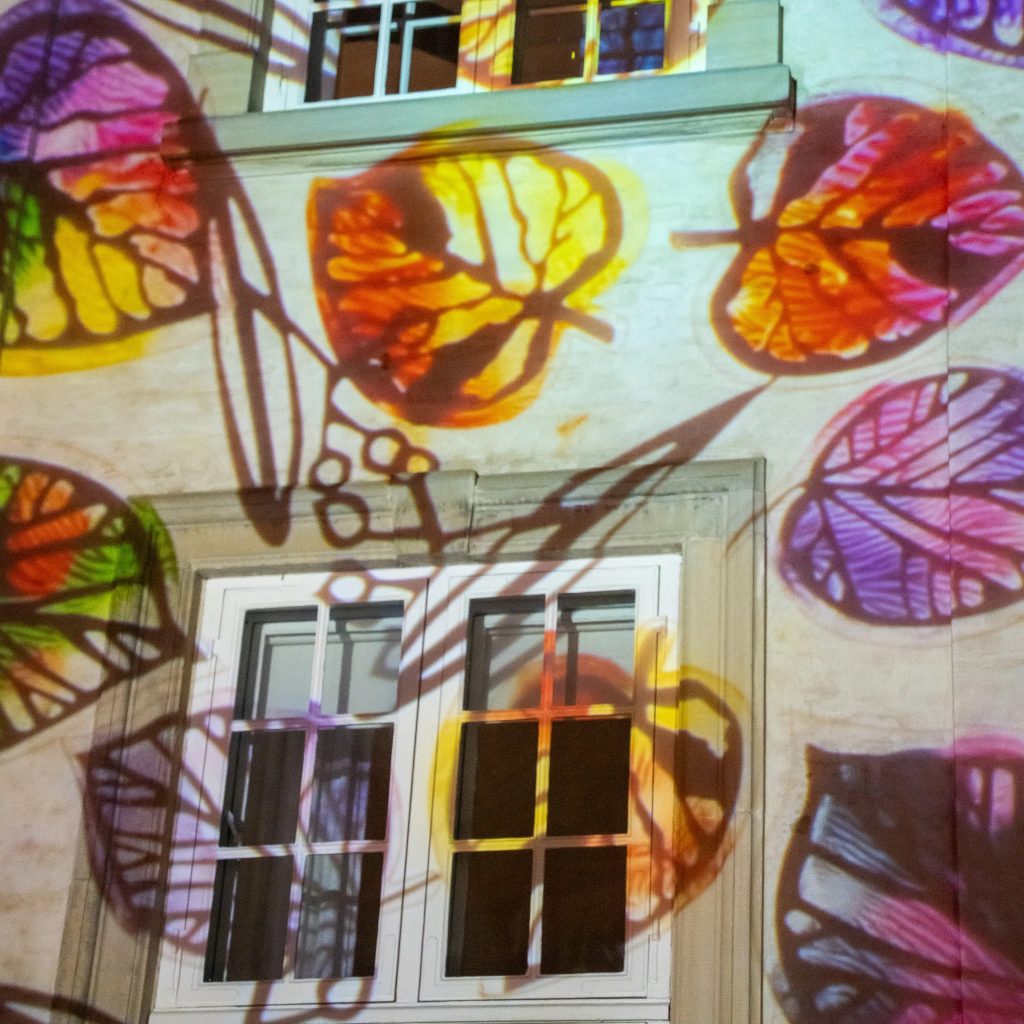
Motifs, figures and patterns from Vibskov’s universe are given new life in a light universe created especially for the evening.
Location: The Museum Garden
DJ: MARTIN SKOVBJERG
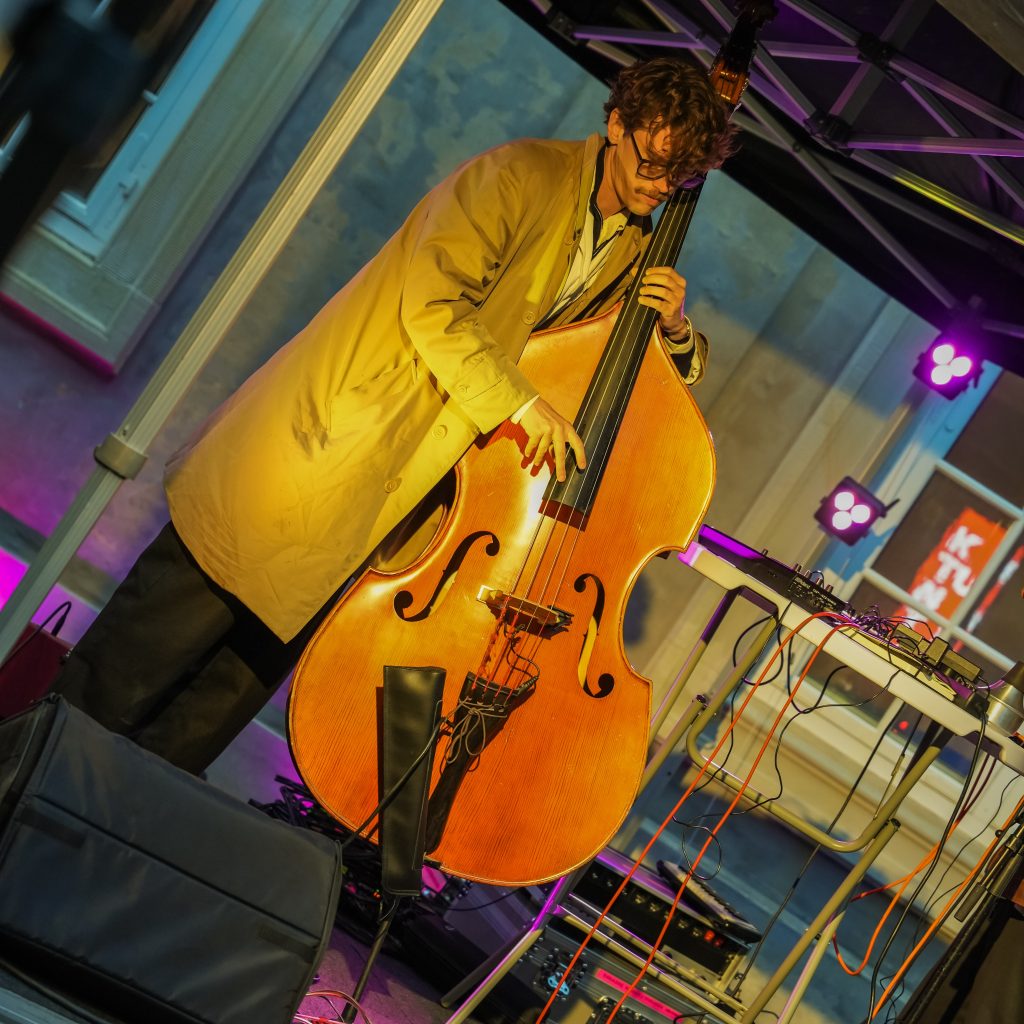
Energetic and cinematic sounds from the DJ booth, delivered by Martin Skovbjerg (AV AV AV).
Location: The Museum Garden
MUSEUM CAFÉ
Come by the museum café FORMAT on Culture Night, warm up with our hot autumn punch, and try our pop tarts inspired by Henrik Vibskov’s playful universe. The hot autumn drink is available both with and without rum. If you’re feeling hungry, we’ll also be serving mushroom toast with the option to add truffle, as well as other dishes from our regular menu throughout the evening.
CONCERT: DRØMMER OM
The museum café will host a concert by the Danish-language duo Drømmer Om, who create atmospheric, dreamy electronic indie pop. Drop by the café during the evening to catch the duo performing two sets.
Location: Museum Café
What is Culture Night (Kulturnatten)
Culture Night (Kulturnatten) is Copenhagen’s biggest annual open-house event, usually held one evening in mid-October. For one night, a single ticket gets you into hundreds of places across the city that are normally closed to the public or closed at that hour — museums, embassies, government buildings, churches, university labs, military sites, even sewers, bunkers, and rooftops. Everything happens after dark, when the city is lit up and takes on a slightly magical, mysterious feel.
It’s for everyone — families, students, tourists, and lifelong locals alike — with concerts, talks, workshops, and one-night-only experiences on offer. Even Copenhageners use it to discover hidden corners of their own city they’d never normally get to see. It’s been running for over 30 years and has become a beloved local tradition rather than a tourist gimmick, though visitors are very welcome.
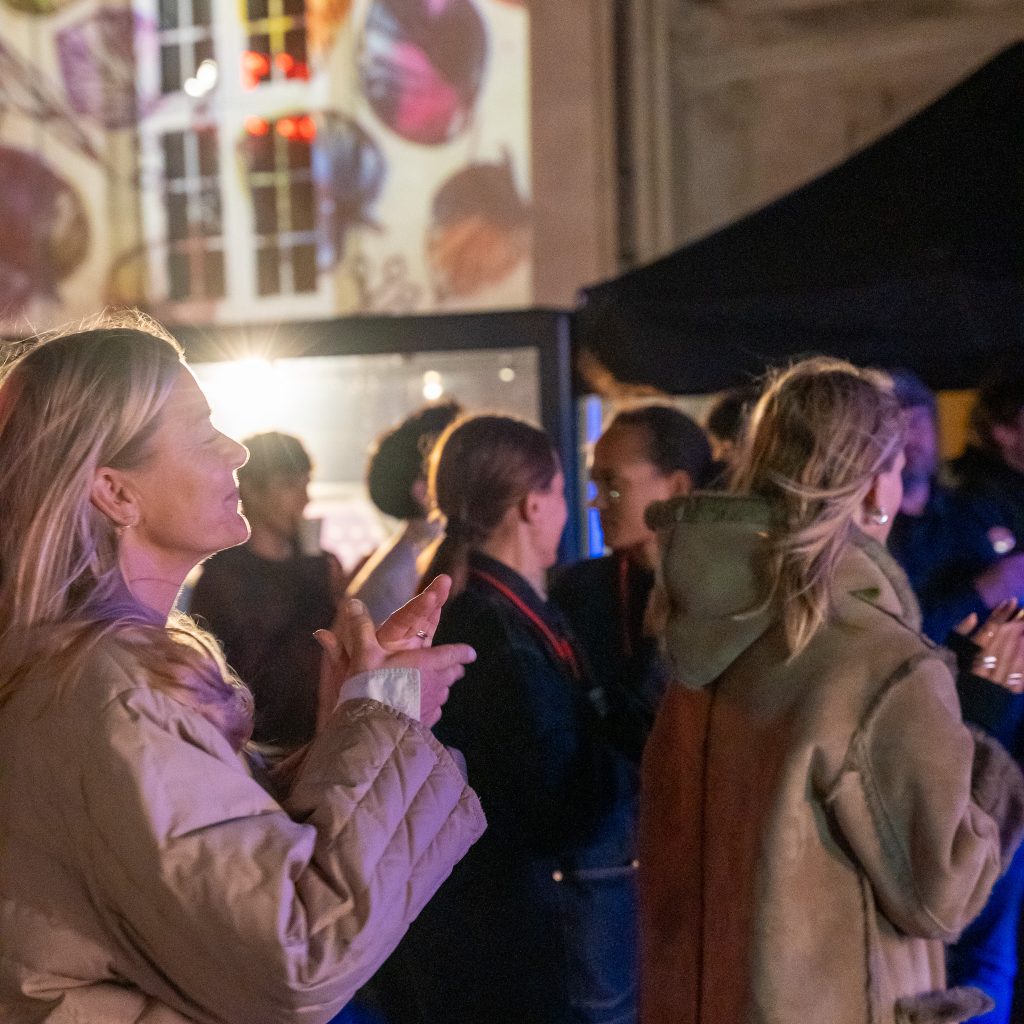
The music plays, darkness falls – and the museum changes character.
Light plays with shadows and dances across the facade.
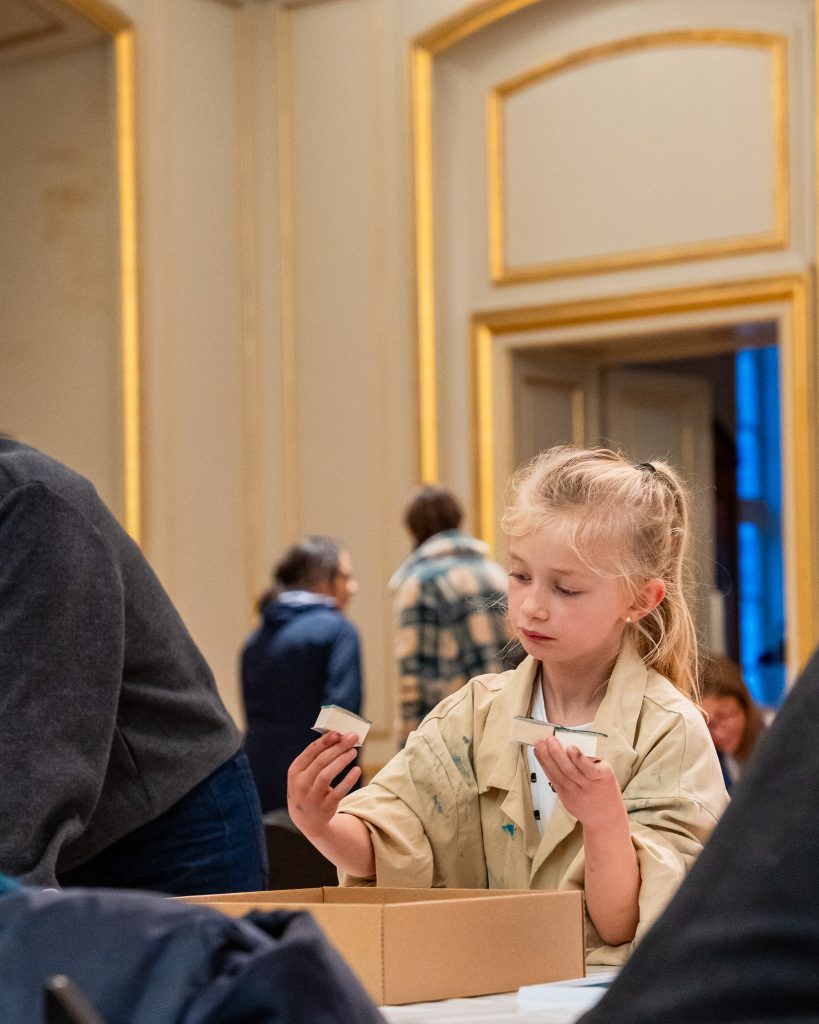
Culture Night brings people together around music, design and community.
Sounds in the night: the mood sets in as the sun goes down.

The museum is transformed into a fairytale universe of light.
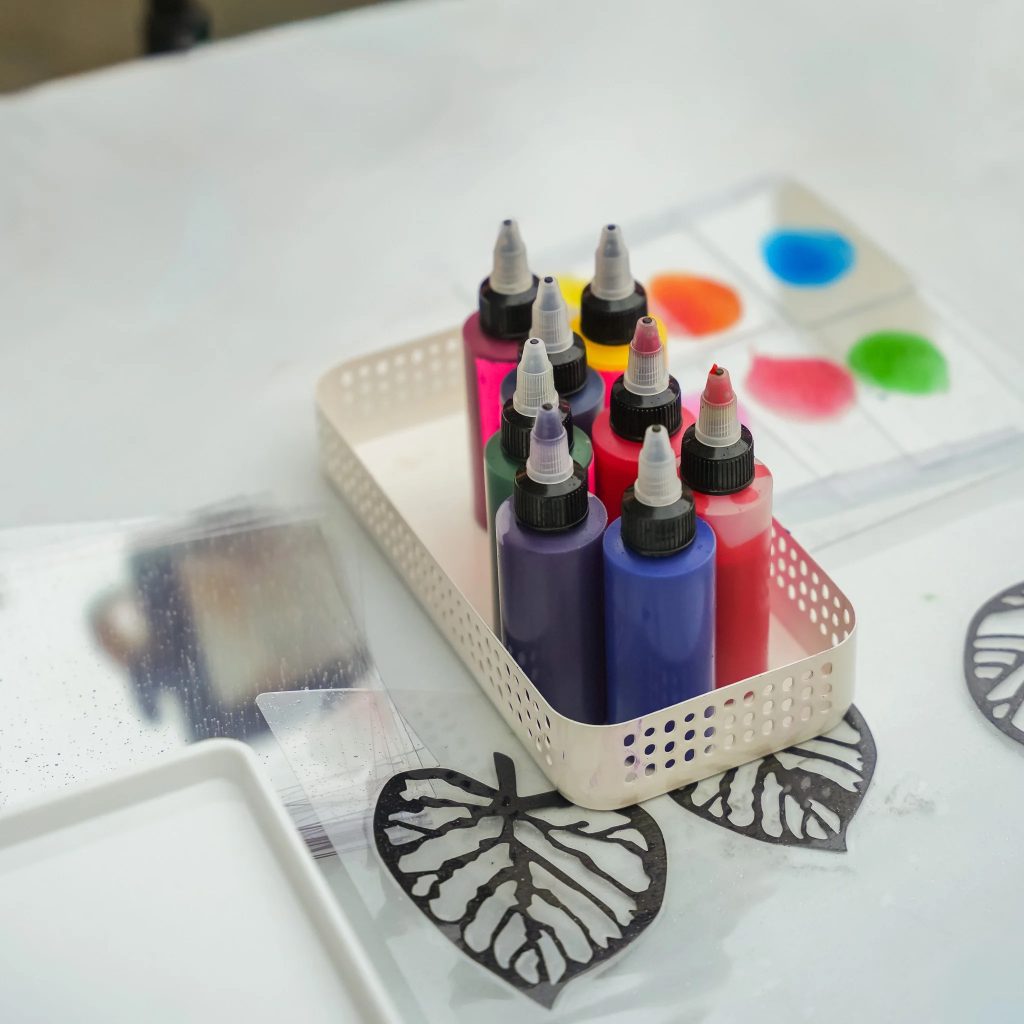
Colours and sound merge in the evening’s special atmosphere.
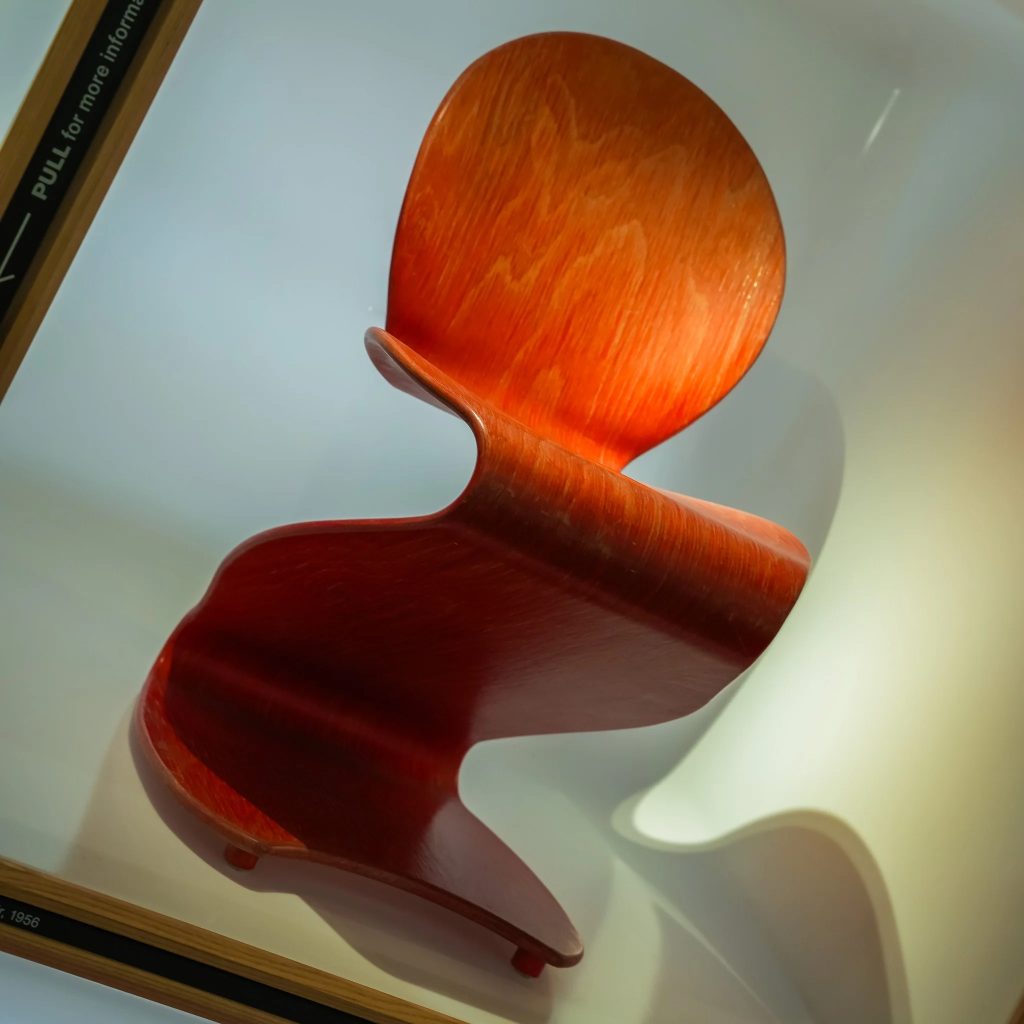
When darkness falls, you can experience the museum’s exhibitions in a whole new light.